



Eyewitness – SURABAYA
July 2, 2026
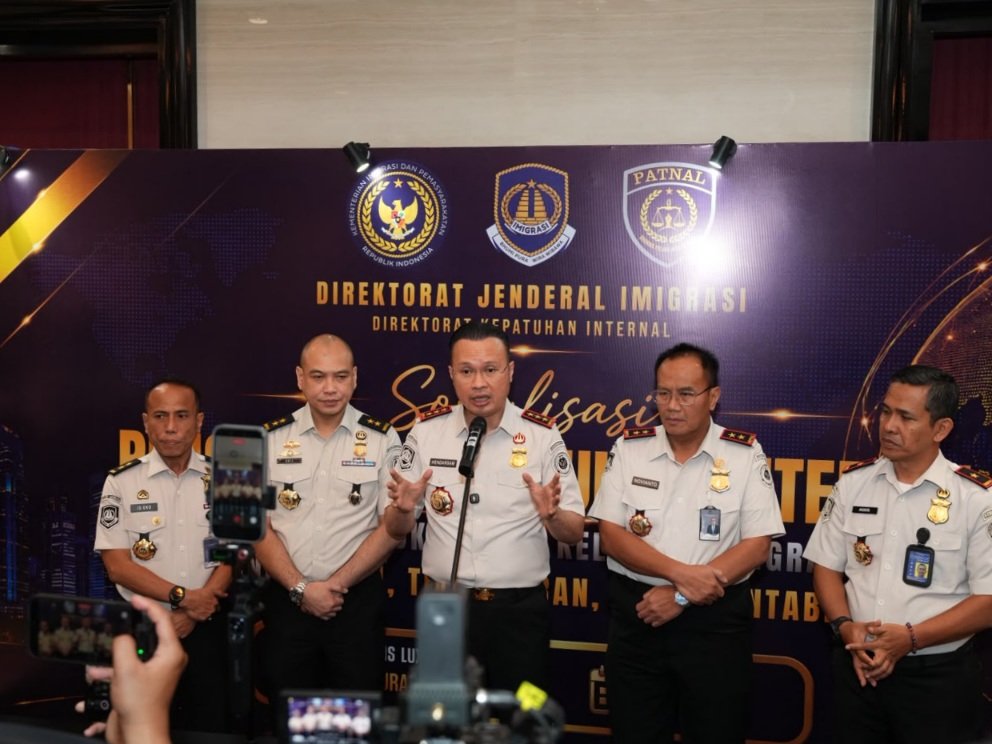
The Directorate General of Immigration invited Nensi Natalia, Head of the Gratification Control Program Task Force at the Corruption Eradication Commission (KPK), to provide integrity-building training for internal immigration personnel as part of an institutional reform initiative. The presence of the KPK representative served as the core agenda for the “Socialization of Integrated Internal Compliance Strengthening,” held in Surabaya, East Java, from Wednesday to Friday (July 1–3, 2026). The event was attended by 272 participants, ranging from senior executive officials to heads of technical immigration units from across Indonesia.
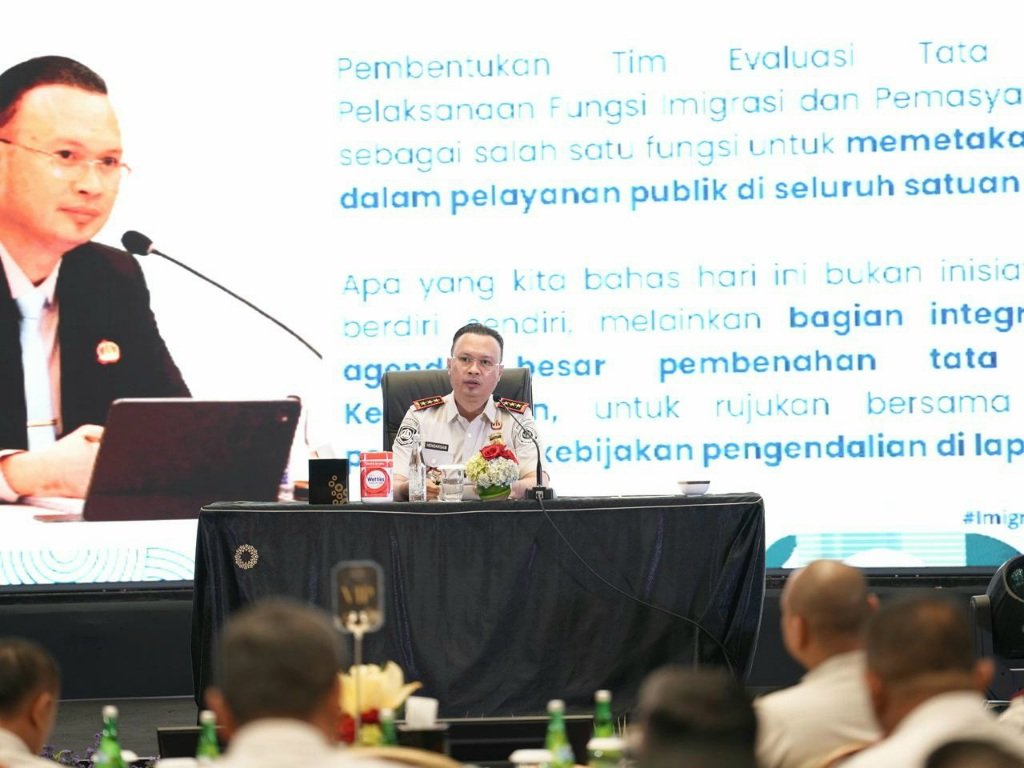
During the session, Nensi emphasized the vital role of prevention in controlling gratification. Key measures include maintaining integrity, avoiding conflicts of interest, routinely reporting assets, and reporting to the authorities whenever gratification is encountered.
The Director General of Immigration, Hendarsam Marantoko, who officially opened the event, stressed that all civil servants within the immigration department must prioritize workplace morality and strong ethics when serving the public. This is critical as the institution’s performance is directly scrutinized by the public, both in terms of output and service delivery processes. Hendarsam reminded attendees that integrity is fundamental to safeguarding organizational dignity.
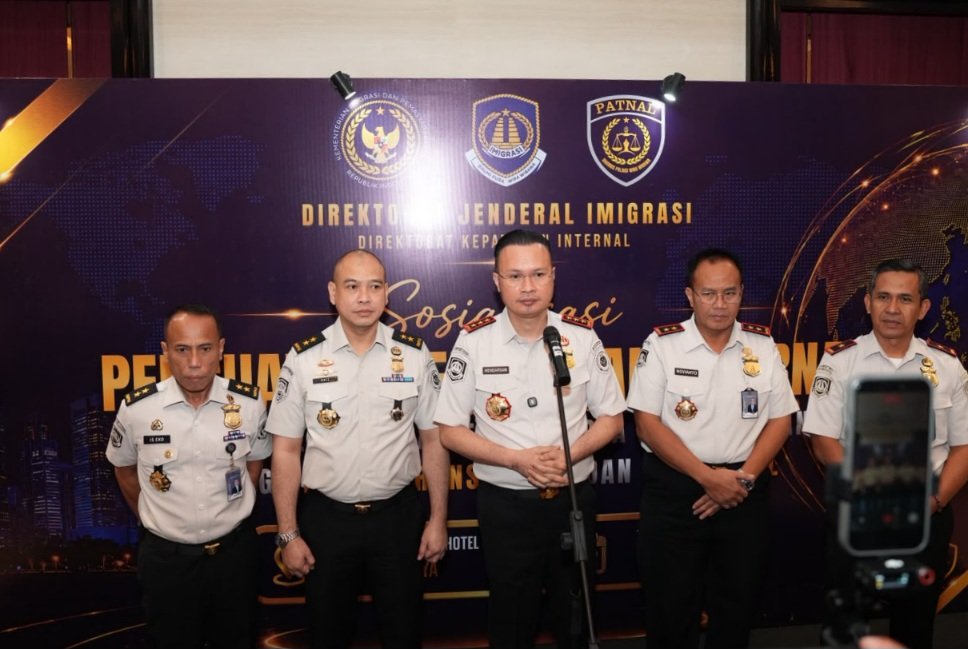
“Integrity and compliance must serve as the primary foundation for every immigration duty and function. The public judges us not only by our final output but also by how the services are delivered,” Hendarsam said.
The socialization agenda focuses on strengthening misconduct prevention curricula, notably through the implementation of the Government Internal Control System (SPIP). All personnel were briefed on code of ethics enforcement, anti-corruption culture, adherence to Standard Operating Procedures (SOPs), and the efficiency of immigration law enforcement functions. This reinforcement is designed to enable the institution to detect potential maladministration early through conflict-of-interest risk management and the optimization of whistleblowing system mechanisms.
In addition to the KPK representative, the Directorate General of Immigration also invited several speakers from other state institutions. Among them were Moch. Fachrudin, Director of Political and Law Enforcement Supervision at the Financial and Development Supervisory Agency (BPKP), and Robertus Na Endi Jaweng, a member of the Ombudsman of the Republic of Indonesia. The presence of these officials was aimed at strengthening the synergy between internal and external immigration oversight.
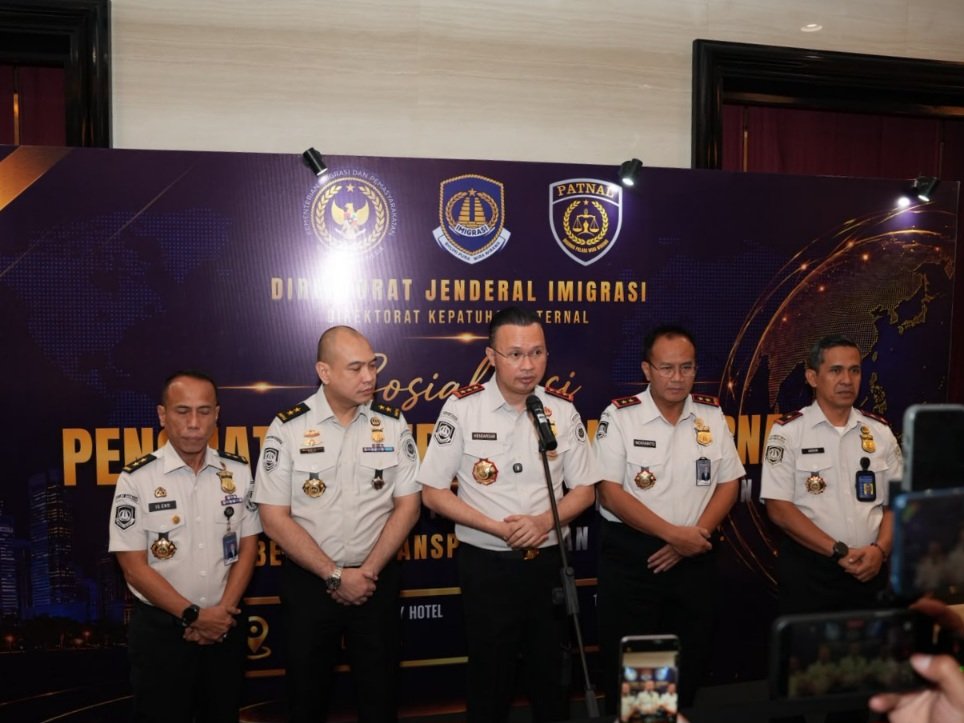
The Director General emphasized that internal compliance functions should not be treated as a mere formality. Instead, compliance must become the foundation of a work culture consistently practiced from top structural leadership down to frontline officers on the ground daily.
”Internal compliance should not be viewed solely as an oversight or disciplinary mechanism for violations. Internal compliance must become a living work culture within every organization, from leaders to field operators,” Hendarsam stated.
At the conclusion of his presentation, the Director General of Immigration urged all regional office heads and technical immigration units to immediately implement the outcomes of the forum within their respective work environments. Periodic evaluations will continue to be conducted to minimize the potential for official misconduct in pursuit of bureaucratic reform.
The future success of the immigration institution will be measured objectively based on the level of public trust achieved.
”Let us use this momentum as a concrete step to strengthen clean, transparent, accountable, professional, and quality public service-oriented immigration governance,” Hendarsam concluded.
Reporter : Daniel Herry