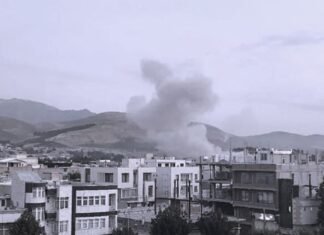


The Mandalika, Eyewitness | Extreme rainfall that has inundated southern Lombok since Tuesday (February 24th) has triggered flooding in several areas around the Mandalika Special Economic Zone (SEZ). In response to this incident, the West Nusa Tenggara Provincial Government (NTB) emphasized that flood management must be carried out comprehensively based on upstream-downstream management, and not be simplified to a single factor.
West Nusa Tenggara Governor H. Lalu Muhamad Iqbal, through the Head of the NTB Communications and Informatics Office and NTB Provincial Government Spokesperson Dr. H. Ahsanul Khalik, stated that the flooding was the result of a hydrometeorological event caused by very high-intensity rainfall, which was exacerbated by the condition of the water catchment area in the upstream area outside the Mandalika SEZ. Water runoff and sedimentation from the area increased the flow rate to downstream areas, including the area around the Mandalika Special Economic Zone (SEZ).
“The NTB Provincial Government emphasizes that this event presents an important opportunity to conduct a joint cross-sectoral evaluation. The provincial government, central government, and district/city governments will promote the development of a permanently integrated and consolidated disaster mitigation system, integrating water catchment area management, regional water management, and controlling land contour changes,” said Dr. Aka in a press release received by Eyewitness on Friday (February 27, 2026).
In addition to strengthening infrastructure, the NTB Provincial Government also emphasized the importance of maintaining long-term environmental balance through protecting upstream areas and managing clear water flow systems. These efforts are seen as strategic steps to minimize the risk of future flooding while maintaining the sustainability of the region’s leading tourism areas.
The NTB Provincial Government apologizes to tourists and the public for the inconvenience caused by the extreme weather conditions. The government believes that although natural factors cannot be avoided, strengthening comprehensive anticipatory measures remains a shared priority.
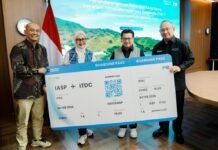
In line with this policy, InJourney Tourism Development Corporation (ITDC), as the developer and manager of the Mandalika Special Economic Zone (SEZ), emphasized that the area under its management is equipped with a hydrometeorological mitigation system, including integrated drainage, retention ponds, an eco-drainage concept, and standard operating procedures (SOPs) for flood emergency response. All development within the area is carried out in accordance with the Environmental Impact Analysis (AMDAL) study, the Environmental Management Plan and Environmental Monitoring Plan (RKL-RPL), and through a Design Committee mechanism involving government officials and academics to ensure strict environmental governance.
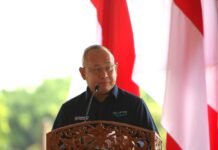
PGS. General Manager of The Mandalika, Agus Setiawan, stated that the development policies and standards implemented in the Mandalika SEZ consistently adhere to the principles of good governance, environmental sustainability, and compliance with applicable regulations. This aligns with the spirit of improvement and development proclaimed by the West Nusa Tenggara Provincial Government.
“ITDC, as the developer and manager of the area, is ready to continue collaborating openly and constructively with all stakeholders, including local governments, businesses, and the community, to ensure that the development of the Mandalika SEZ is integrated, inclusive, and provides tangible benefits to the region.” Agus said.
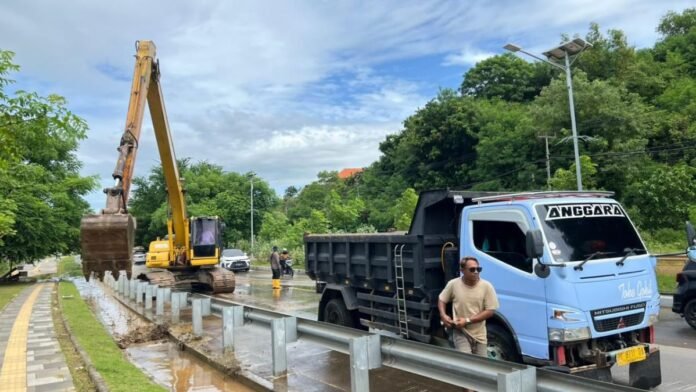
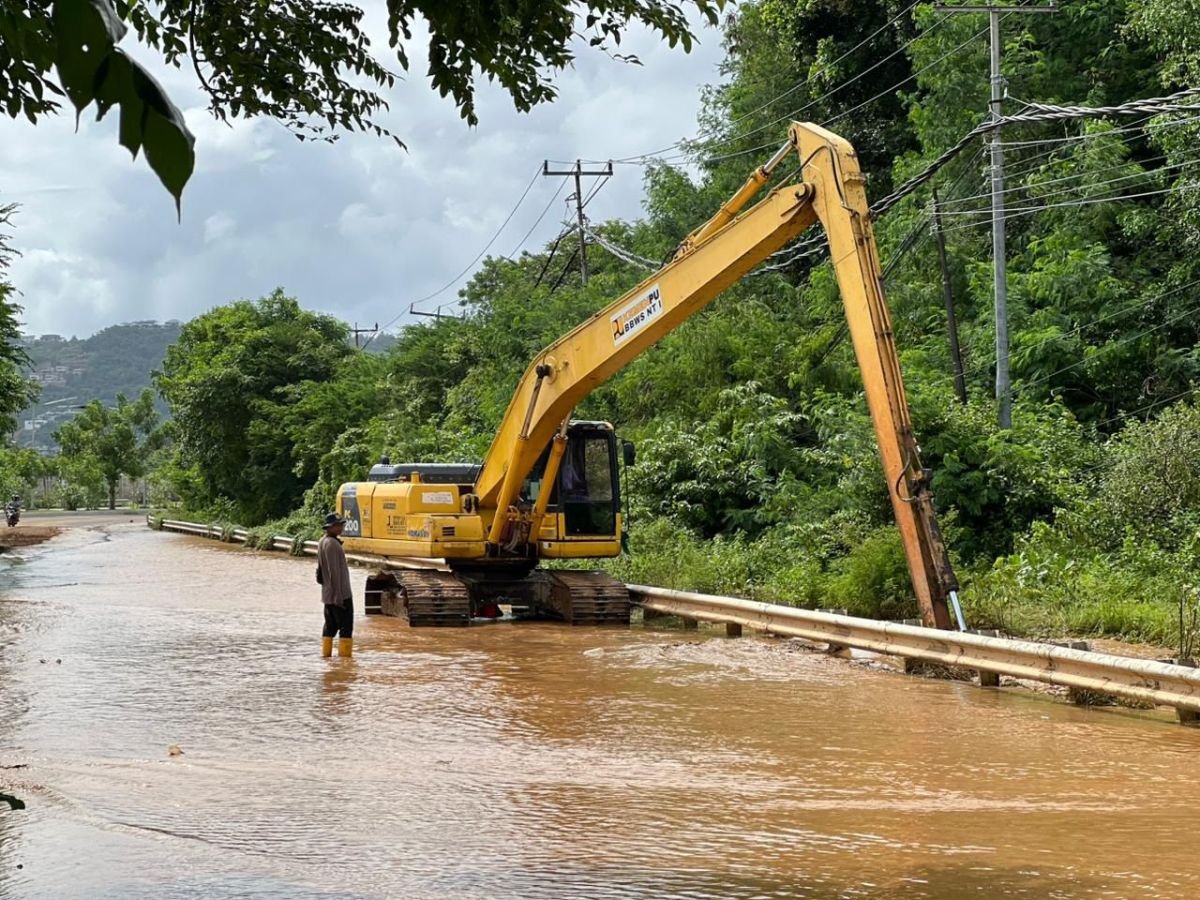
In terms of technical management, ITDC has coordinated with the Nusa Tenggara I River Basin Office to accelerate water flow normalization and clear sediment using heavy equipment. In addition, field inspections and evaluations of existing drainage capacity have been conducted as part of strengthening the flood control system in the region.
The NTB Provincial Government, along with ITDC, emphasized that flood management cannot be done in isolation but must be based on an integrated approach involving the government, business actors, academics, and the community. Cross-sector collaboration is a crucial foundation for building regional resilience to the impacts of climate change and extreme weather.
“This incident serves as a reminder that regional resilience must be built together. This is not about blaming each other, but rather a collective commitment to keeping Mandalika safe, comfortable, and sustainable,” said Dr. Aka.