



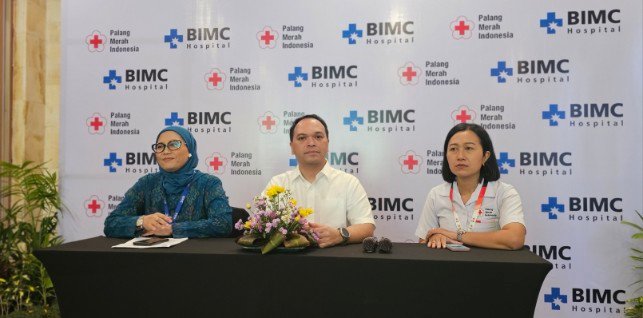
Sanur, Denpasar — In a strategic move to bolster Bali’s emergency medical readiness, BIMC Hospital Kuta and the Indonesian Red Cross (PMI) Bali recently hosted a high-level health talk. The forum brought together tourism stakeholders, Consulate Generals, humanitarian communities, and the expatriate circle under a singular, urgent mission: “Initiate a Health Talk and Encourage Bali to Save Lives Starting With Yours.”
The Data Gap: A Critical Scarcity.
The dialogue highlighted a stark reality in Bali’s medical landscape. Current data from PMI Bali reveals a precarious supply of Rhesus Negative (Rh-) blood types. The registry currently identifies only:
Rh- O: 123 donors
Rh- A: 50 donors
Rh- B: 23 donors
Rh- AB: 2 donors
Dr. Meike Magnasofa, M.Med (WH)., MARS, Hospital Director of BIMC Kuta, emphasized that within their Intensive Care Units, the availability of these specific blood types remains dangerously low. Despite Bali being a global tourism hub, voluntary Rh- donations account for a mere 0.55% of the local population.
A Humanitarian Priority for the “Island of Gods”
As a premier destination, Bali sees a high volume of international travelers, roughly 90% of whom carry blood types that frequently require Rhesus Negative components. Dr. Magnasofa noted that over 50% of these foreign patients often find themselves in urgent need of transfusions due to traffic accidents or medical emergencies.
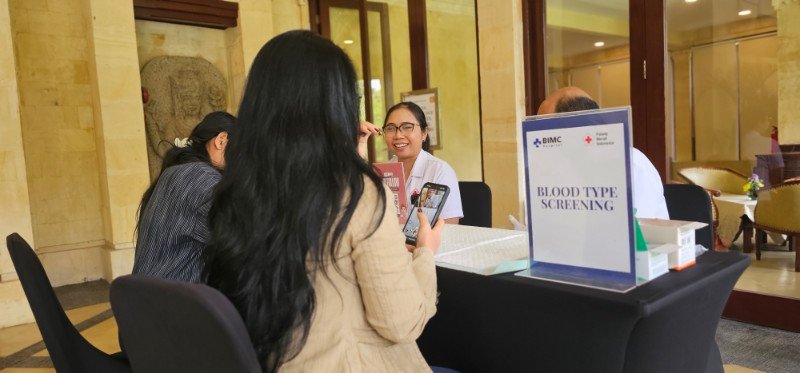
“Ensuring a stable supply of Rhesus Negative blood is a humanitarian priority. Whether it is for accident victims or disaster relief, we must stir the collective conscience to save lives,” Dr. Magnasofa stated.
Collaboration for Crisis Management
Partnering with BIMC, Dr. Nyoman Sastrini, Head of Donor Services at UTD PMI Bali, called for a surge in public awareness. She urged healthy individuals aged 17 to 65—particularly the younger generation—to register at their local PMI posts.
Dr. Sastrini acknowledged that while PMI maintains a database of active Rh- donors, it is often insufficient to meet the cumulative demand from various hospitals. “In many cases, we go directly to the donors’ homes or wherever they are located the moment a need arises,” she added, highlighting the “on-call” nature of this rare donor network.
Honoring the Lifesavers
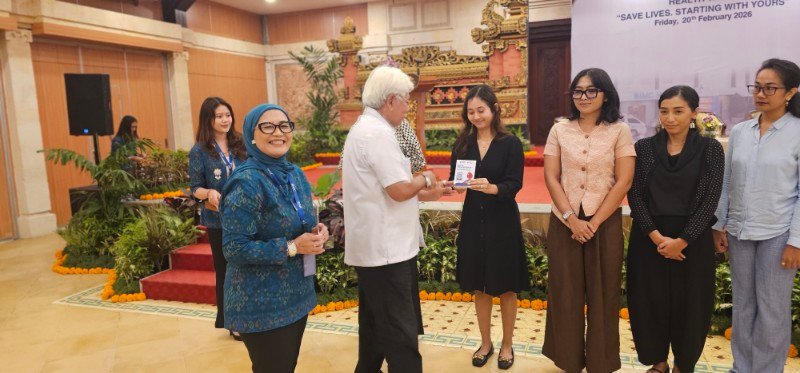
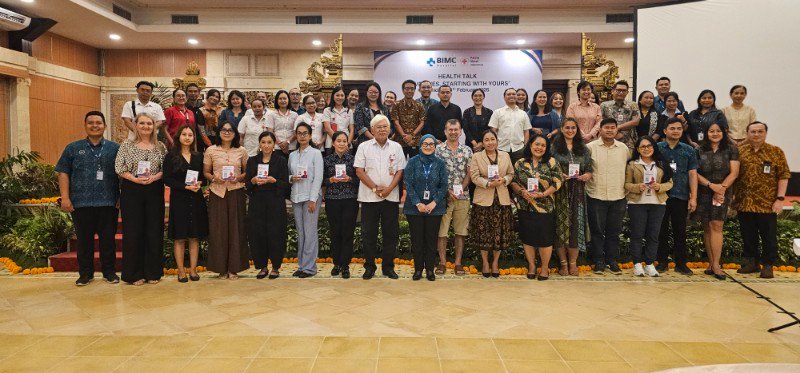
The event concluded with BIMC Kuta expressing deep gratitude to the volunteers who consistently contribute both Rhesus Negative and Positive blood. By fostering this spirit of “brotherhood” between medical providers and the tourism sector, the initiative aims to ensure that Bali remains not just a beautiful destination, but a safe one for residents and visitors alike.
Reporter: Daniel Herry